Electric Cars vs. Petrol Cars: Key Differences in the UAE
The debate surrounding electric cars vs petrol cars has moved from futuristic speculation to a daily conversation for drivers across the Emirates. As the UAE government continues to invest in a sustainable future, the car market is shifting rapidly. Choosing between electric vehicles and traditional petrol cars is no longer just about the environmental impact; it is about running costs, energy efficiency, and the comfortable ride you expect during your daily commute.
Whether you are navigating the busy streets of Dubai or planning long journeys to the Northern Emirates, understanding how electric cars vs petrol cars compare is essential. Drivers today must weigh the convenience of petrol stations against the growing charging infrastructure. This guide breaks down operating and maintenance costs and the overall environmental benefits to help you decide which vehicle fits your lifestyle.
Understanding Electric Cars vs Petrol Cars
To make an informed choice, we must first look under the hood. Traditional petrol vehicles rely on internal combustion engines (ICE). These engines burn fuel to create small explosions that move pistons, which eventually turn the wheels. This process provides a robust performance and a familiar engine sound that many drivers seeking a classic feel still enjoy.
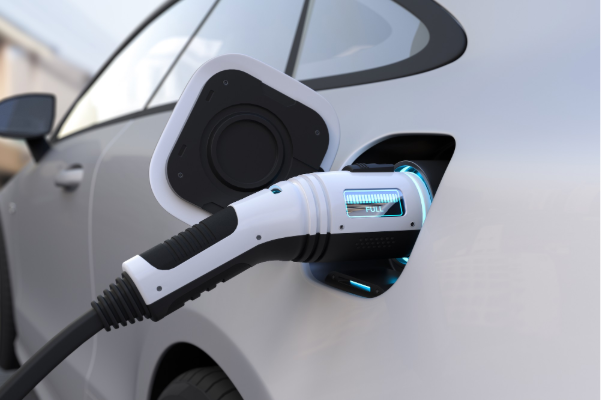
In contrast, battery electric vehicles (EVs) use an electric motor powered by a large battery pack. Instead of a fuel tank, you have a charging port. The most noticeable difference for the driver is the instant torque. When you press the pedal in an electric car, you get quick acceleration without the delay of a shifting gear box. This creates a silent, smooth driving experience that significantly improves passenger comfort.
Key Differences Between Electric and Petrol Cars
When comparing electric cars to petrol vehicles, several factors stand out that affect your daily life in the UAE.
Fuel vs. Electricity Costs
The most immediate difference is how you "refuel." Fuel prices in the UAE fluctuate based on global markets, impacting the cost of every trip. On the other hand, electricity costs are relatively stable. Charging an electric car at home during off-peak hours is often the most cost-effective way to power your new vehicle. When you look at the kilowatt-hour rate compared to the price per liter of Super 98, electric vehicles usually come out ahead in terms of pure energy spent.
To better understand current charging costs, read our guide to the new EV charging charges structure in the UAE. If you drive a petrol vehicle, it is also worth understanding the difference between Super 98 and Special 95 fuel when calculating your running costs.
Maintenance and Servicing Requirements
Internal combustion engines are complex machines with hundreds of fewer moving parts than an electric motor. Petrol cars require regular maintenance such as oil changes, spark plug replacements, and timing belt checks. Compared to an ICE vehicle, an electric vehicle has a simpler powertrain with fewer components that require routine servicing.
Electric cars do not have engines, so they never need an oil change. Furthermore, EVs use regenerative braking systems. This technology uses the motor to slow the car down, which recharges the battery and saves your brake pads from wear and tear. Consequently, maintenance costs for EVs are significantly lower over time.
Driving Range and Refueling Convenience
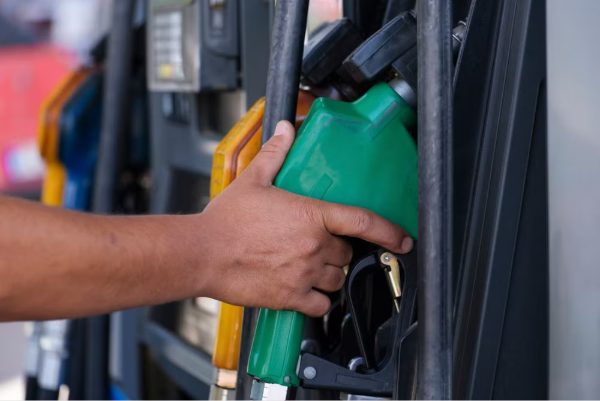
This is where gas cars and diesel cars often have an advantage. A petrol car can be refilled in five minutes at any of the thousands of petrol stations across the country. Electric cars have a limited range compared to some long-range petrol vehicles, though this is changing with new car models. While overnight charging at home is convenient, long-distance travel requires planning around the available charging infrastructure.
Environmental Impact and Emissions
If reducing your carbon footprint is a priority, electric cars are the clear winner. They produce zero tailpipe emissions, which helps reduce air pollution in our cities. Traditional petrol cars release greenhouse gas emissions and exhaust emissions that contribute to climate change. By switching to an electric powertrain, you support the UAE’s goal of using renewable energy sources like solar power to fuel transportation.
If you are considering making the switch, understanding the advantages of electric cars in the UAE can help you appreciate the long-term benefits of cleaner and more efficient mobility.
Running Costs Comparison: Petrol vs Electric Cars

Let’s look at the numbers. The total cost of ownership involves more than just the average price of the vehicle.
Fuel or Charging Costs per Kilometer
In the UAE, the charging cost for an electric car is generally much lower than the fuel cost for petrol cars. If you drive 20,000 kilometers a year, the savings on electricity versus petrol can add up to thousands of dirhams. Many EV owners find that their monthly "fuel" bill drops by 60% to 70% compared to petrol.
Maintenance and Servicing Costs
Because there are no oil changes and less strain on the braking system due to regenerative braking, the operating costs stay low. While the initial purchase price of an electric car might be higher, the lack of regular maintenance on the engine makes it more cost-effective in the long run.
Insurance and Ownership Costs
Registration costs for EVs are often incentivized by the UAE government to encourage electric mobility. Some banks also offer lower interest rates for "green" car loans. However, insurance for electric vehicles can sometimes be slightly higher because the battery is expensive to replace if damaged. It is important to check with your provider to see how these costs vary depending on the model.
When comparing long-term ownership costs, it is also important to consider vehicle depreciation rates in the UAE, as resale values can significantly affect the overall cost of ownership.
Charging Infrastructure vs Petrol Station Availability
The infrastructure availability is the biggest hurdle to electric adoption. Currently, petrol stations are everywhere, making petrol cars very convenient for personal use and spontaneous long journeys.
However, the charging infrastructure is growing fast. From DEWA’s Green Charger initiative in Dubai to the expansion of fast chargers in Abu Dhabi, it is becoming easier to find a spot to plug in. Home charging remains the most convenient option, allowing you to wake up every morning with a "full tank." For those living in apartments, the UAE government is working with developers to ensure more charging port access in residential buildings.
Electric vs Petrol Cars: Which One Should You Choose?
The choice between electric cars and petrol cars depends on your driving habits.
- Choose an Electric Car if: You have a daily commute within the city, you can install a home charging station, and you want to minimize your environmental impact. The instant torque and quiet acceleration make for a very comfortable ride in heavy traffic.
- Choose a Petrol Car if: You frequently drive long distances across the Emirates without much notice, you don't have access to a charger at home, or you prefer the robust performance and familiar feel of internal combustion engines.
If you are curious about electric or hybrid vehicles but are not ready to commit to ownership, exploring the advantages of car subscriptions for electric and hybrid cars can help you experience the latest technology with greater flexibility and predictable monthly costs.
Final Thoughts: Choosing the Right Car for Your Lifestyle in the UAE

Both electric cars and petrol cars have their place on UAE roads. As renewable energy becomes a bigger part of our grid, the environmental benefits of EVs will only grow. However, petrol vehicles still offer a level of flexibility for long journeys that is hard to beat.
If you are still undecided, why not try both? At MOOV By Al-Futtaim, we offer a flexible way to experience the latest car technology. You can browse our fleet to find both efficient petrol cars and cutting-edge electric vehicles.
FAQs
Which is better, an electric car or a petrol car?
There is no single answer. Electric cars are better for the environment and have lower running costs. Petrol cars are currently better for long-distance driving due to the density of petrol stations.
Do electric cars last longer than petrol?
Electric vehicles have fewer moving parts, which means the drivetrain can last a very long time. However, the battery will eventually degrade over 10–15 years, whereas a well-maintained petrol engine can run for decades.
Will I save money with an electric car?
Yes, in terms of fuel and maintenance costs, you will likely save money. However, you must consider the higher initial cost of the vehicle itself.
Do electric cars require less maintenance than petrol cars?
Yes. They do not need oil changes, and their regenerative braking systems extend the life of the brake pads.
Are petrol cars better for long-distance driving than electric cars?
Currently, yes. The ability to refuel in minutes at any station makes petrol vehicles more convenient for trips where charging infrastructure might be limited.
.png)