Crossover vs. SUV: What's the Difference?
Choosing between a crossover and an SUV starts with understanding what sets each one apart. Both bring spacious seating, practical proportions, and a higher driving position, making them popular picks for everyday UAE driving. But the right choice can look very different if you have just arrived in the UAE and are choosing your first car here, or your family has grown and your current car no longer gives you the space you need.
The key crossover vs. SUV difference lies in the build beneath the body. The underlying build can shape fuel savings, ride refinement, towing toughness, terrain capability, and how easily the vehicle fits into everyday family life. From daily drives and school runs to desert detours, knowing these differences can help you find the right fit for your lifestyle.
A compact crossover may be easier for crowded Dubai streets, while a traditional SUV can be better prepared for desert drives, demanding terrain, or towing. With MOOV by Al-Futtaim, you can compare the latest and pre-owned models and consider which type of car works best for your routine, requirements, and weekend plans.
What Is a Crossover (CUV)?
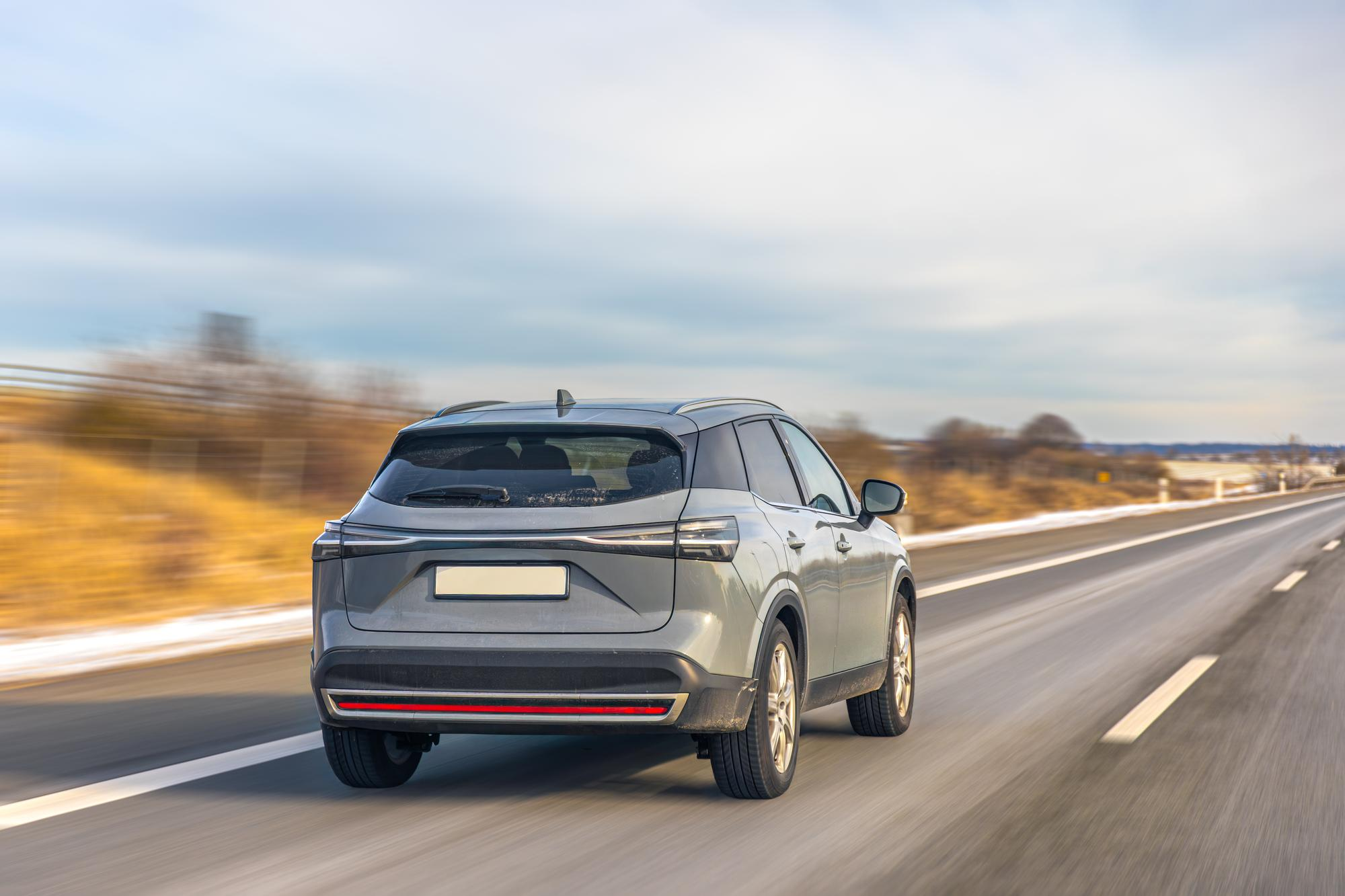
A crossover utility vehicle, or CUV, brings together the easy, everyday feel of traditional cars with the higher seating and handy space many drivers appreciate in an SUV. Most models use unibody construction, where the frame, body, and structural base form one structure, rather than sitting on a separate truck chassis.
This lighter construction usually creates a lighter vehicle with smooth, steady handling and stronger fuel efficiency. As a result, crossovers tend to suit city commutes and daily driving particularly well. Crossover models are typically less expensive to maintain than SUVs, adding another practical perk for everyday drivers. For someone getting used to UAE roads, a compact crossover can also offer the higher seating and added space of an SUV while remaining manageable around car parks and busy city streets.
The crossover segment also gives buyers plenty of choice, spanning compact crossovers through to larger three-row models. That range can work particularly well for growing families that need more room than their current car provides but do not necessarily need the size or off-road strength of a traditional SUV. Many now pair practical proportions with hybrid powertrains, bringing even better efficiency to everyday journeys.
What Is an SUV?
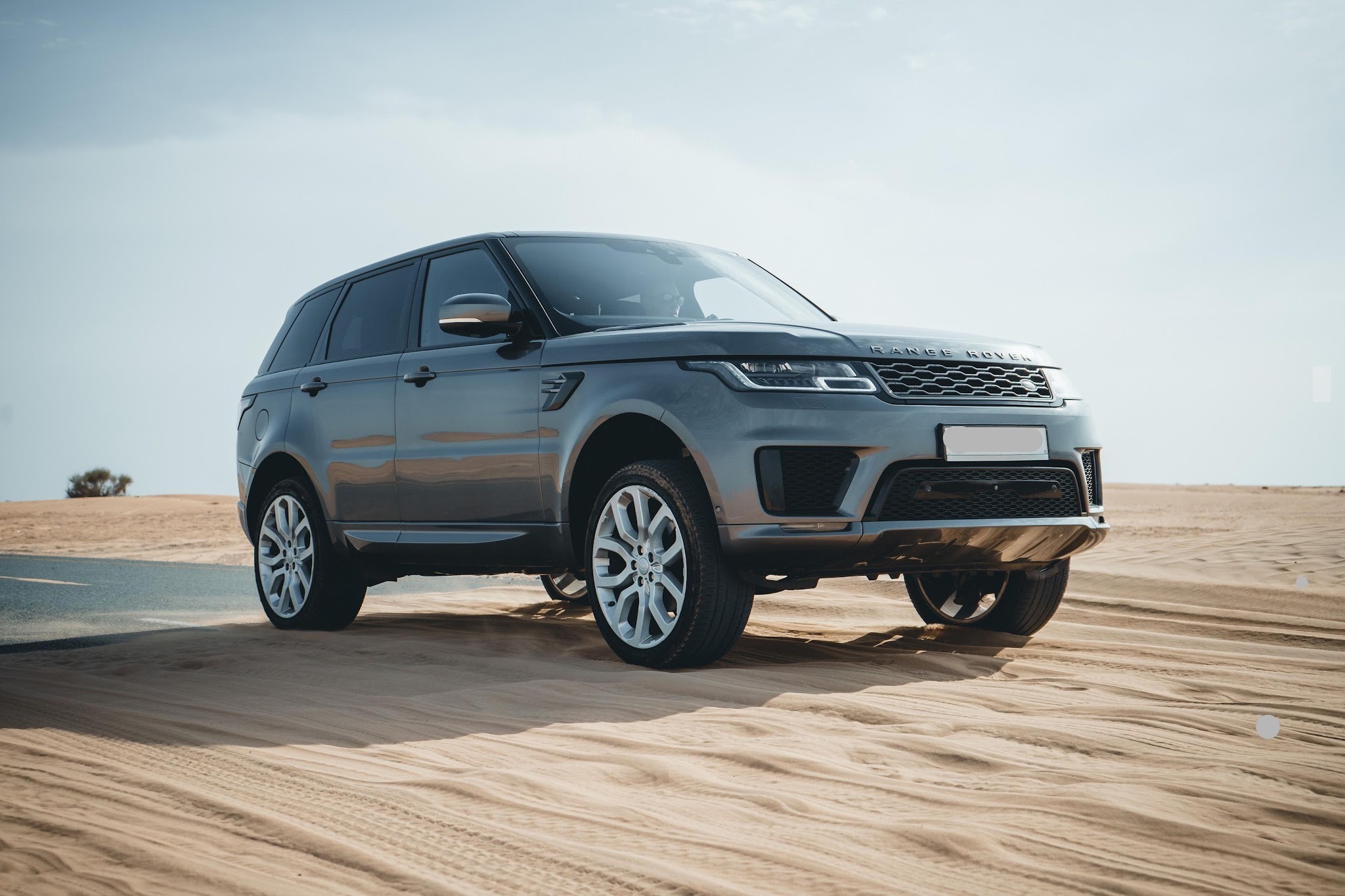
A sport utility vehicle, or SUV, is built with bigger jobs and bolder journeys in mind. Traditional models use body-on-frame construction, where the vehicle body sits on a separate, sturdy frame rather than forming one structure.
This body-on-frame build shares its foundations with pickup trucks, creating the strength and stability needed for heavier loads, tougher towing, and rougher roads. SUVs typically have higher ground clearance for off-road capability, alongside capable four-wheel-drive systems for sand, rocky tracks, and rugged terrain.
Because of their stronger, heavier structure, SUVs tend to use more fuel and deliver a firmer, more truck-like feel than crossovers. In return, drivers gain greater ground clearance, towing, and terrain-ready capability.
Crossover vs. SUV: Key Differences at a Glance
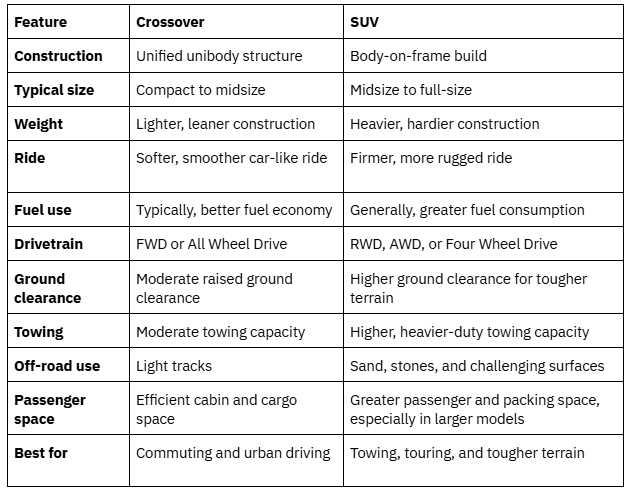
Understanding these distinct differences makes the crossover versus SUV choice clearer.
Crossover vs. SUV: Detailed Comparison
Vehicle Construction
The biggest crossover vs. SUV difference starts with the build beneath the body. A crossover, including a compact crossover SUV, typically uses a unibody structure that brings the body and base together. This lighter layout supports smoother steering, comfortable cruising, and controlled fuel consumption
Traditional SUVs usually use a body-on-frame platform, where the vehicle body sits on a separate, stronger structure. This tougher foundation supports heavier towing, rough-road travel, and more demanding driving conditions.
Put simply, a crossover’s unibody construction supports lighter handling, smoother steering, and stronger fuel savings, while an SUV’s body-on-frame platform prioritizes durable design, tougher towing, and terrain-ready toughness.
Size and Interior Space
Space and size are important when comparing the two:
- Crossovers: A crossover SUV makes smart use of its smaller footprint, pairing practical passenger space with flexible folding seats and generous cargo room. This makes it easier to park and is particularly practical for smaller UAE families.
- SUVs: Larger SUVs generally provide more space, with broader bodies bringing bigger luggage areas, roomier rows, and flexible three-row seating. For seven passengers, suitcases, and longer road trips, a full-size SUV offers a stronger space advantage, similar to what you'll find among the best 7-seater SUVs in the UAE.
Driving Experience
Ride quality and road response can shape how comfortable each vehicle feels, from city streets to longer UAE journeys:
- Crossovers: Their lighter layout and passenger car-based platform provide better ride quality. Also, their soft suspension helps create calm cruising and comfortable commutes, while the smaller size makes parking and maneuvering more manageable around Dubai, Abu Dhabi, and Sharjah.
- SUVs: Their bigger build and broader proportions bring a firmer, more substantial feel on the road. Higher seating provides a clear, commanding view ahead, while sturdy suspension and steady handling support highway travel and tougher terrain.
Off-Road Capability

Sand and steeper routes show where the capabilities of crossovers and SUVs start to separate:
- Crossovers: Most crossovers can comfortably cover gravel roads and moderately rugged routes. Models with all-wheel drive and good ground clearance bring added grip and greater confidence, making them capable companions for lighter weekend adventures.
- SUVs: Traditional SUVs are better prepared for rougher terrain, pairing greater ground clearance with sturdy suspension, four-wheel drive, and a strong body-on-frame structure. Check out our guide to the best off-road cars in the UAE for models built specifically for desert driving. For desert drives, mountain tracks, and more testing terrains, a rugged vehicle such as an SUV provides the strength and stability needed for tougher terrain.
Fuel Efficiency

Fuel efficiency is another area where the difference between crossovers and SUVs becomes clear, especially for UAE drivers covering considerable distances each week:
- Crossovers: A lighter build and efficiency-focused engineering help crossovers keep fuel consumption lower. Many modern models mix hybrid technology with highly fuel-efficient performance, making them practical picks for city commutes, daily drives, and longer-distance journeys.
- SUVs: Both SUVs and larger off-road models pair heavier builds with more powerful powertrains, which can lead to higher fuel consumption. That added size and strength, however, support tougher towing and challenging terrain.
For drivers focused on fuel savings and everyday efficiency, crossovers tend to have the advantage.
Engine Performance and Power
Power and performance matter in both categories, but crossovers and SUVs put that power to work in different ways:
- Crossovers: A compact SUV or crossover commonly pairs a smaller four-cylinder engine with turbocharged technology for responsive, refined performance. Many crossovers offer hybrid versions for improved fuel economy, combining practical power with better everyday efficiency.
- SUVs: Most SUVs offer powerful engines for demanding driving needs, with larger models commonly using higher-output turbocharged engines or six-cylinder setups. This stronger power and plentiful torque support passenger-packed trips, steeper slopes, and heavier hauling.
Towing Capacity and Load Carrying
Towing strength and load-carrying capability are key areas where the different builds become particularly noticeable:
- Crossovers: Crossovers can provide ample interior space for passengers and possessions, while still supporting lighter towing tasks. Their lower limits make them better suited to everyday loads, so drivers regularly hauling heavy loads should always check the manufacturer’s specific ratings.
- SUVs: A body-on-frame SUV uses a stronger, separate structure designed for tougher tasks. This body-on-frame design supports a powerful towing capacity when pulling trailers or boats. The sturdier structure also supports more demanding drives across uneven terrain, making traditional SUVs strong selections for serious towing and tougher travel.
Drivetrain Options
Drive systems decide how power reaches the pavement, with each setup bringing different benefits for different driving conditions:
- Crossovers: Front-wheel drive (FWD) is common because it combines lighter construction with efficient everyday performance on paved roads. Many crossovers also offer all-wheel drive (AWD), which can automatically adjust power distribution to provide greater grip when extra traction is needed.
- SUVs: Rear-wheel drive and four-wheel drive (4WD) are more common, particularly in larger, more capable models. A dedicated 4WD system provides stronger traction and steadier control across sand and stony surfaces.
For city commutes and daily drives, FWD can be plenty. For desert drives and demanding terrain, 4WD provides the added grip and greater ground capability drivers may need.
Safety Features
Safety systems are strong points across both vehicle categories:
- Crossovers: Modern models commonly combine adaptive cruise control, autonomous emergency braking, blind spot monitoring, lane-keeping assistance, parking cameras, and rear cross-traffic alerts for safer, simpler daily driving.
- SUVs: Larger proportions can provide an added sense of security, but size is only one part of the safety story. Strong construction, solid crash-test scores, braking technology, and driver-assistance systems all matter.
When comparing crossovers, SUVs, or other cars, check each model’s specific safety systems and scores to see how well it supports you on the road.
Crossover vs. SUV: Which One Is Right for You?

Choosing between a crossover and an SUV comes down to your roads and real-life requirements. The term crossover generally describes crossover cars built with a lighter unibody design, while traditional SUVs focus more on strength and serious capability.
Choose a crossover if you:
- Regularly drive through busy urban areas, as crossovers are easier to park and maneuver in urban settings.
- Need practical passenger and cargo space without the proportions of a larger vehicle.
- Want a lighter unibody design with smooth steering and comfortable cruising.
- Want to keep everyday running costs manageable, as crossovers prioritize efficiency with smaller engines.
- Prefer a practical balance of fuel savings, family-friendly space, and flexible everyday driving.
Choose an SUV if you:
- Need three-row seating and more room for passengers and packed family trips.
- Regularly travel across sand, rugged routes, or rougher terrain.
- Want greater ground clearance, stronger suspension, and more capable drivetrains.
- Frequently carry considerable cargo or equipment.
- Need serious strength for towing, as SUVs are preferable for towing large trailers or heavy loads.
- Want a tougher vehicle for demanding drives, desert detours, and longer adventure-focused journeys.
When you describe crossovers and SUVs side by side, the choice becomes clearer: crossovers focus on efficient everyday ease, while SUVs bring greater strength and serious capability.
Explore Crossovers and SUVs at MOOV by Al-Futtaim
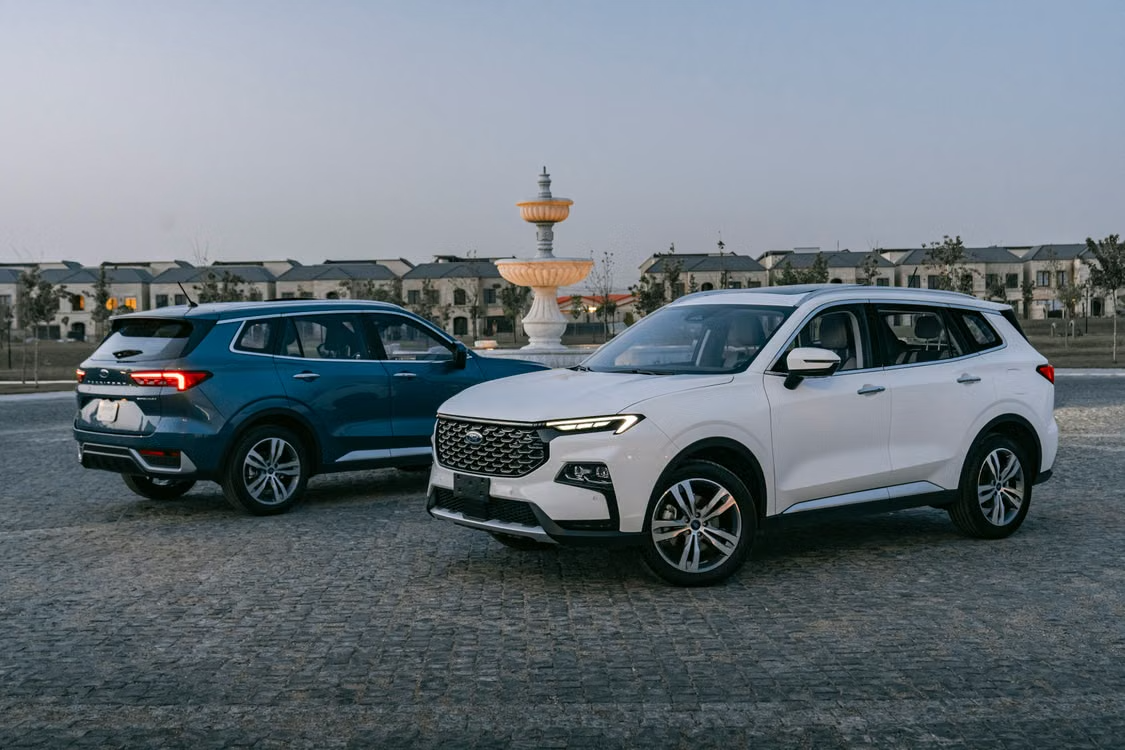
From compact crossovers built for convenient commutes to capable SUVs suited to bigger adventures, MOOV by Al-Futtaim gives UAE drivers access to latest-model and certified pre-owned vehicles through flexible car subscriptions. Crossovers are typically lighter and designed for daily driving, while SUVs provide a more rugged build for off-road capabilities, giving you plenty of practical possibilities based on how and where you drive.
If you have recently arrived in the UAE, a subscription gives you another way to get on the road without rushing into buying a car before you know how long you will stay or what vehicle best fits your new routine. For growing families, that flexibility means your car does not have to stay the same when your space requirements change. If a compact car no longer works for the school run, you can consider a crossover or SUV that better matches the next stage of family life.
With MOOV, you can compare cars by size, specifications, standout features, and monthly subscription cost before making your selection. Subscription packages also bring key services together, including insurance, routine servicing, and roadside assistance.
Once you find your favourite fit, contact us for further support or start your car subscription with MOOV and make your next move on UAE roads.
Frequently Asked Questions (FAQs)
1. Which is better, a crossover or an SUV?
A crossover or SUV can be the better choice depending on your driving demands and daily routine. Crossovers are generally better for city commutes, comfortable cruising, and fuel-friendly performance. SUVs are often better for bigger families, heavier hauling, tougher towing, greater ground clearance, and rugged-road readiness.
2. What is the difference between a crossover and an SUV?
The main difference starts with structure. Crossovers use unibody construction for a single integrated structure based on a car platform, bringing a lighter build, better fuel efficiency, and smoother steering. SUVs use body-on-frame construction for tougher towing and greater durability, but typically have a stiffer, truck-like ride. The right vehicle depends on your driving style, daily demands, and desired drive.
3. Is a crossover bigger than an SUV?
A crossover is not necessarily bigger than an SUV. Crossover vehicles range from compact choices to spacious three-row setups, while SUVs also come in several sizes. However, full-size SUVs typically provide more passenger space, packing capacity, and larger proportions than compact crossovers.
4. Which is better for city driving, a crossover or an SUV?
For city driving, crossovers combine a lighter build, smaller size, and smoother steering for simpler parking and maneuvering. Crossovers often cost less to run due to lower weight and typically deliver better fuel efficiency, making them practical picks for frequent UAE commutes.
5. Are SUVs better than crossovers for off-road driving?
Yes, SUVs are generally better than crossovers for off-road driving, especially across sand, stones, and steeper surfaces. Their tougher build, greater ground clearance, and dedicated four-wheel drive provide rugged-road readiness. Crossovers, on the other hand, are better suited to everyday driving, with their unibody platform and lighter weight supporting smoother steering and easier city cruising.
.png)