How to Avoid Being Stuck in Traffic in Ramadan
Traffic patterns across the UAE change noticeably during the holy month of Ramadan. Daily routines shift, working hours shorten, and many drivers adjust their schedules around fasting, prayer times, and Iftar time. Understanding UAE traffic in Ramadan helps drivers plan trips better, reduce stress, and create a safer driving environment for all traffic participants potentially affected during peak hours on UAE roads.
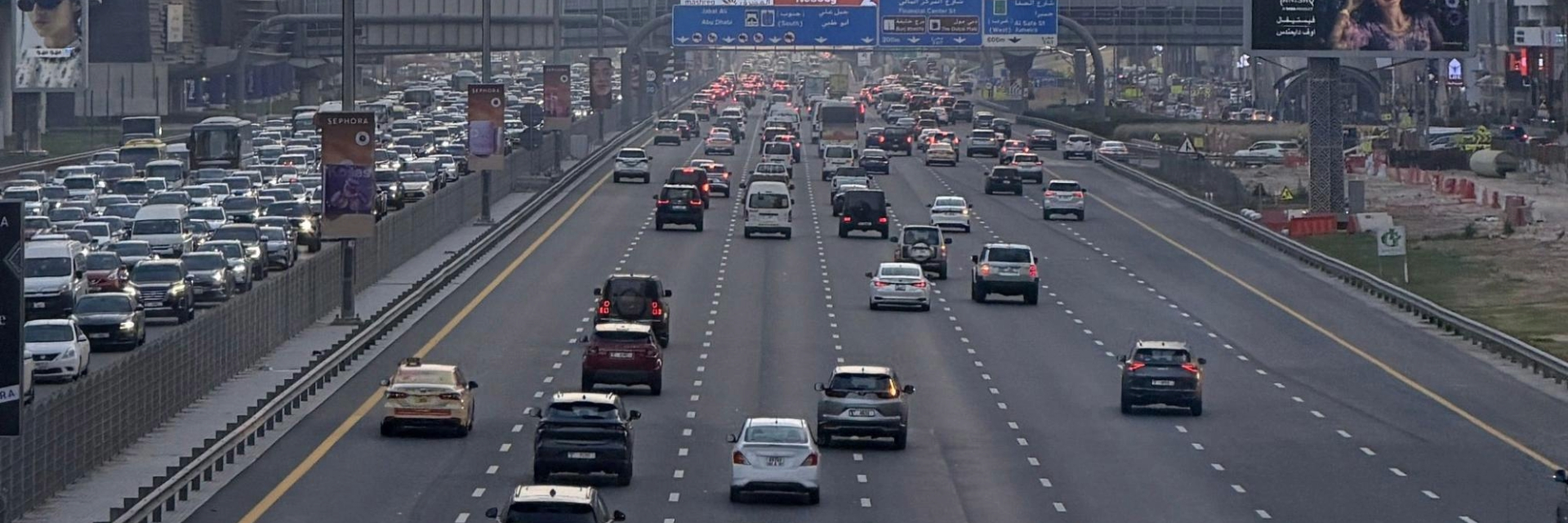
During the holy month of Ramadan, traffic congestion often increases due to unusual sleeping patterns, late-night outings, and heavy pre-Iftar time rush. Drivers frequently deal with stop and go traffic, especially near shopping malls and busy residential areas. Combined with hot weather, many drivers experience physical effects like low blood sugar, dehydration, fatigue, and reduced concentration, which can increase traffic accidents if drivers do not follow safe driving practices and basic traffic rules.
This Ramadan-specific lifestyle creates unique challenges for other fasting traffic participants, including motorcycle riders, taxis, and public transport vehicles, all sharing the same roads during peak congestion and relying on mutual awareness to avoid accidents.
Planning ahead, leaving early, and allowing extra time for commuting can help drivers avoid possible delays while maintaining road safety. In this guide from MOOV by Al-Futtaim, we share practical driving tips and explain how to avoid traffic jams while reaching your destination safely during Ramadan across Dubai and the wider UAE.
Best Times to Drive During Ramadan

Choosing the right hours to travel is one of the easiest ways to reduce stress and avoid traffic congestion during Ramadan.
Generally, lower traffic windows include early morning hours after Suhoor, late morning after the late morning rush hour, and later evening after Iftar time. Early morning accident peaks can still happen due to fatigue or lack of enough sleep, so drivers should remain alert and apply basic defensive driving techniques even when roads seem clear.
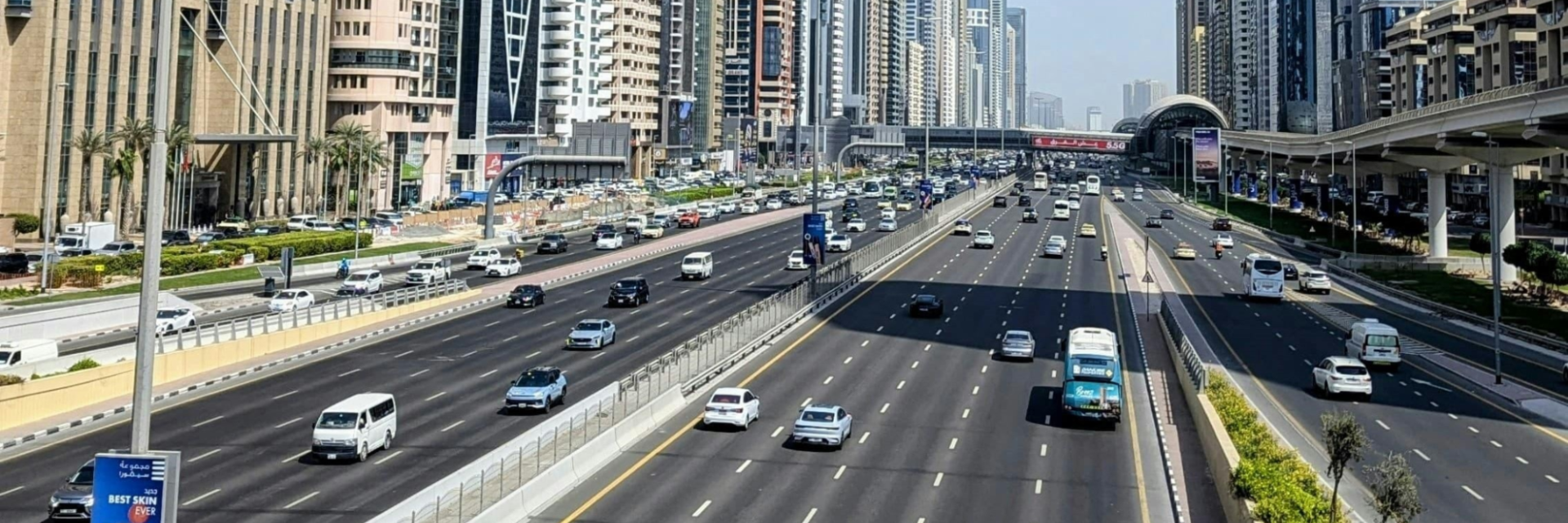
Midday hours often provide a safer driving environment because fewer commuters travel between lunch and pre-Iftar time. Late evening driving after the Iftar period usually improves traffic flow across Dubai’s main highways and residential zones, making it easier to maintain a safe distance from other vehicles.
Drivers who schedule trips properly and monitor traffic conditions using navigation apps can significantly reduce delays and maintain safer commuting patterns.
Times You Should Avoid Driving in Ramadan
The busiest peak hours during Ramadan usually occur one to two hours before Iftar time. This period often sees the most accidents as drivers rush home, deal with psychological urges to reach destinations quickly, or drive distracted due to fatigue or hunger.
Late afternoons also see heavy traffic congestion across business districts and residential areas. Maghreb prayer timing can create sudden traffic stops near mosques, which may lead to possible delays and sudden braking situations involving multiple road users.
Drivers should maintain a safe following distance, stay aware of other drivers, avoid speeding during these peak times, and follow the same defensive driving approach throughout the journey. Road safety experts, including regional road safety leaders like Thomas Edelmann, Managing Director of road safety organizations in the UAE, have consistently highlighted Ramadan as a period requiring extra awareness and patience from motorists.
Most Congested Roads and Areas to Watch Out For
.png)
Some roads and locations typically experience heavier traffic during the holy month of Ramadan:
- Major highways connecting Dubai and Abu Dhabi
- Shopping malls and retail areas before Iftar
- Residential zones near mosques during prayer times
- Key commuting roads during the late afternoon rush
- Downtown Dubai and major commercial districts
Traffic congestion often increases near parking zones and busy residential areas where drivers search for parking spaces before Iftar period. Being aware of these key areas can help drivers plan alternative routes and reduce stress while driving.
How to Plan Your Routes to Beat Ramadan Traffic
Planning routes carefully helps drivers avoid potential delays and manage traffic better during Ramadan.
Drivers should:
- Use navigation apps for real-time traffic updates
- Avoid main highways during peak hours when possible
- Allow buffer time for unexpected delays
- Check police or traffic authority updates when available
- Consider public transport or taxis during heavy congestion
Leveraging technology and staying aware of official traffic updates helps drivers navigate traffic congestion more efficiently during the month of Ramadan.
Parking Tips to Reduce Delays During Ramadan
Parking availability becomes more limited during pre-Iftar time and evening outings.
To avoid delays:
- Check parking availability before arriving at busy locations
- Follow local parking rules carefully to avoid fines
- Use smart parking apps when available
- Plan parking near destinations in advance
Understanding parking zones and public parking rules helps drivers reduce stress and avoid unnecessary commuting delays.
How Car Subscription Can Make Ramadan Travel Easier
.png)
Flexible mobility solutions like car subscription or car rental or can help drivers manage Ramadan schedules more easily. Modern vehicles support safer driving with better visibility, reliable AC, and driver assistance features that support safe driving practices.
For many drivers, having access to a well-maintained vehicle helps reduce stress during long commuting hours. Car subscription solutions can also help drivers plan trips more freely around peak traffic, prayer times, and evening family gatherings.
For drivers looking for flexible mobility during the holy month, learning more about car subscription in the UAE can help manage changing work hours, evening travel, and inter-emirate commuting without long-term commitments.
Modern vehicles also help drivers maintain better road awareness, support safe following distance alerts, and improve overall driving confidence during the holy month.
Safety Tips for Driving During Ramadan
Following simple road safety tips helps reduce accidents and keeps all traffic participants safe.
Drivers should:
- Get enough sleep to avoid fatigue
- Stay hydrated to reduce dehydration risks
- Wear a seat belt at all times
- Drive defensively and maintain sufficient distance
- Avoid distractions and never drive distracted
- Pull over immediately if feeling exhaustion or dizziness
To avoid fines and maintain road safety while driving during fasting hours, it helps to stay updated on UAE speed limits across different roads and emirates, especially when traffic flow changes during Ramadan.
Understanding your own potential limitations and physical needs during fasting helps create a safer driving environment for everyone.
Final Tips for a Smooth and Stress-Free Ramadan Drive
Ramadan is a very special time across the UAE, but it requires extra patience and planning from drivers. Allow extra time for trips, plan routes carefully, and stay informed about traffic conditions.
Drivers who stay aware, drive safely, and maintain road awareness help reduce accidents and improve commuting safety during the holy month of Ramadan. Planning ahead and choosing the right travel times can make a big difference in avoiding congestion and ensuring smoother driving every day.
FAQs
What is the 2 4 2 rule for Ramadan?
The 2-4-2 rule encourages drivers to sleep at least 2 hours before Iftar, 4 hours overnight, and 2 hours during the day to reduce fatigue and improve road safety during fasting.
When is the busiest time to drive in Ramadan in Dubai?
The busiest time is usually one to two hours before Iftar time and late afternoon rush hours when commuters leave work and prepare for evening activities.